








In 1905, amidst the largest drug epidemic in American history, a teenage Alice has just moved to the Pacific Northwest. She follows a mysterious man down a rabbit hole, leading her into Wonderland; a dark and curious world inhabited by characters from turn-of-the-century America and the Pacific Northwest. - Anonymous
The anonymous reviewer says "In 1905, during America's largest drug epidemic..." That is Drug War propaganda. There wasn't a drug epidemic in 1905, except in the minds of racists, who associated opium 1 use with the Chinese, marijuana use with Mexicans, and cocaine 2 3 use with blacks. America's largest drug epidemic is RIGHT NOW, when 1 in 8 American males, and 1 in 4 American females, are addicted to Big Pharma 4 5 antidepressants 6, many of which are harder to kick than heroin 7 (SOURCE: Psychiatrist-author Julie Holland). Moreover, this addiction was caused by the Drug War itself (which began in 1914 with the Harrison Narcotics Act) and its criminalization of far less addictive therapeutic godsends from Mother Nature.
There are times when it is clearly WRONG to deny kids drugs (whatever the law may say). If your child is obsessed with school massacres, he or she is an excellent candidate for using empathogenic meds ASAP -- or do we prefer even school shootings to drug use???
The drug war is a scare campaign to teach us to distrust mother nature and to rely on pharmaceuticals instead.
Imagine educational documentaries showing how folks manage to safely incorporate today's hated substances into their life and lifestyle.
If fearmongering drug warriors were right about the weakness of humankind, there would be no social drinkers, only drunkards.
Americans are far more fearful of psychoactive drugs than is warranted by either anecdote or history. We require 100% safety before we will re-legalize any "drug" -- which is a safety standard that we do not enforce for any other risky activity on earth.
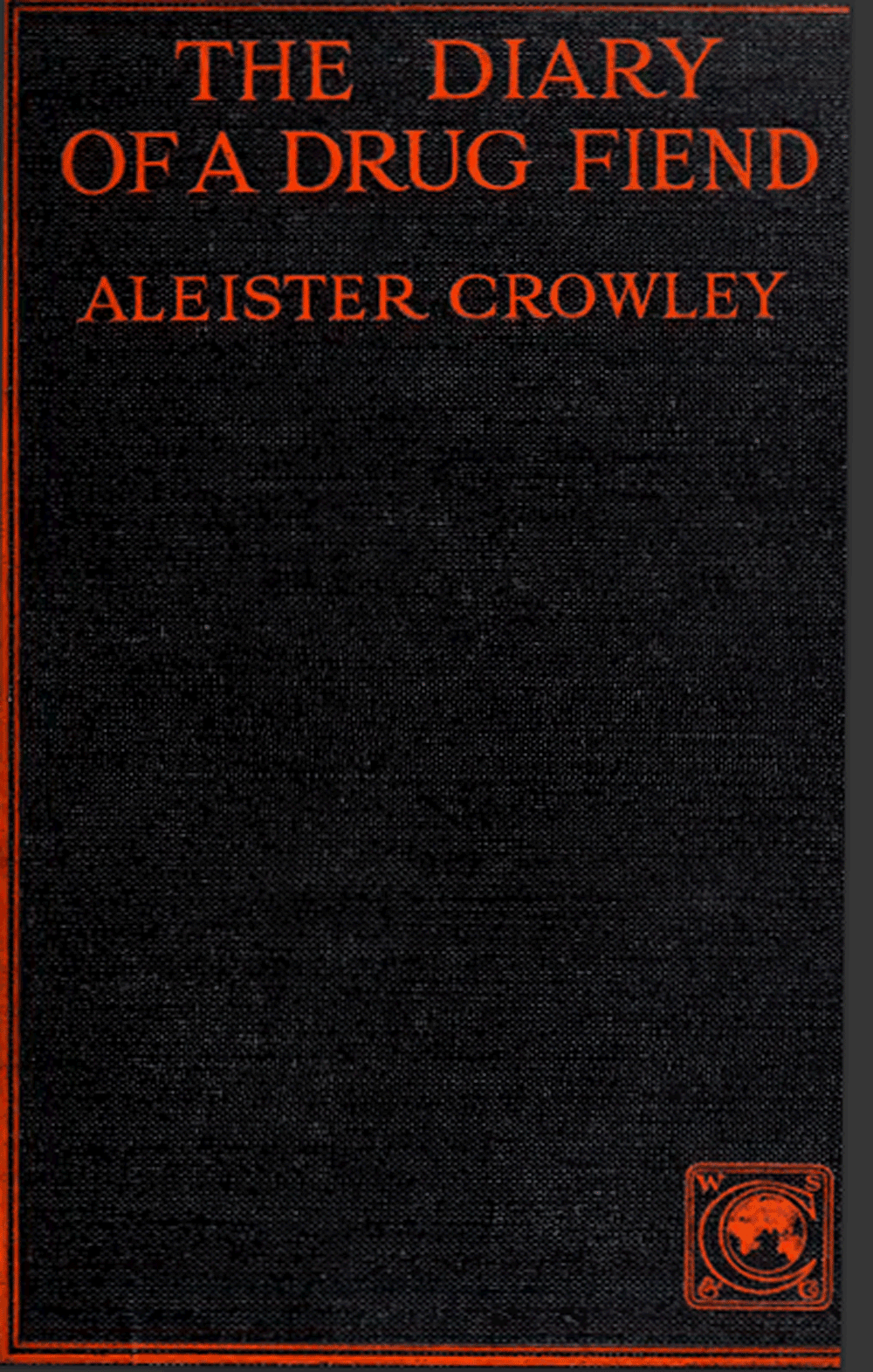
"There has been so much delirious nonsense written about drugs that sane men may well despair of seeing the light." -- Aleister Crowley, from "Essays on Intoxication"
We've all been taught since grade school that human beings cannot use psychoactive medicines wisely. That is a defeatest lie. It's criminal to keep substances illegal that can awaken the mind and remind us of our full potential in life.
High suicide rates? What a poser! Gee, I wonder if it has anything to do with the fact that the US has outlawed all substances that elate and inspire???
I just asked New York Attorney General Letitia James how much she was getting paid to play Whack-a-Mole. I pointed out that the drug war created the gangs just as liquor prohibition created the Mafia.
The drug war is the defeatist doctrine that we will never be able to use psychoactive drugs wisely. It's a self-fulfilling prophecy because the government does everything it can to make drug use dangerous.


 (up)
(up)