








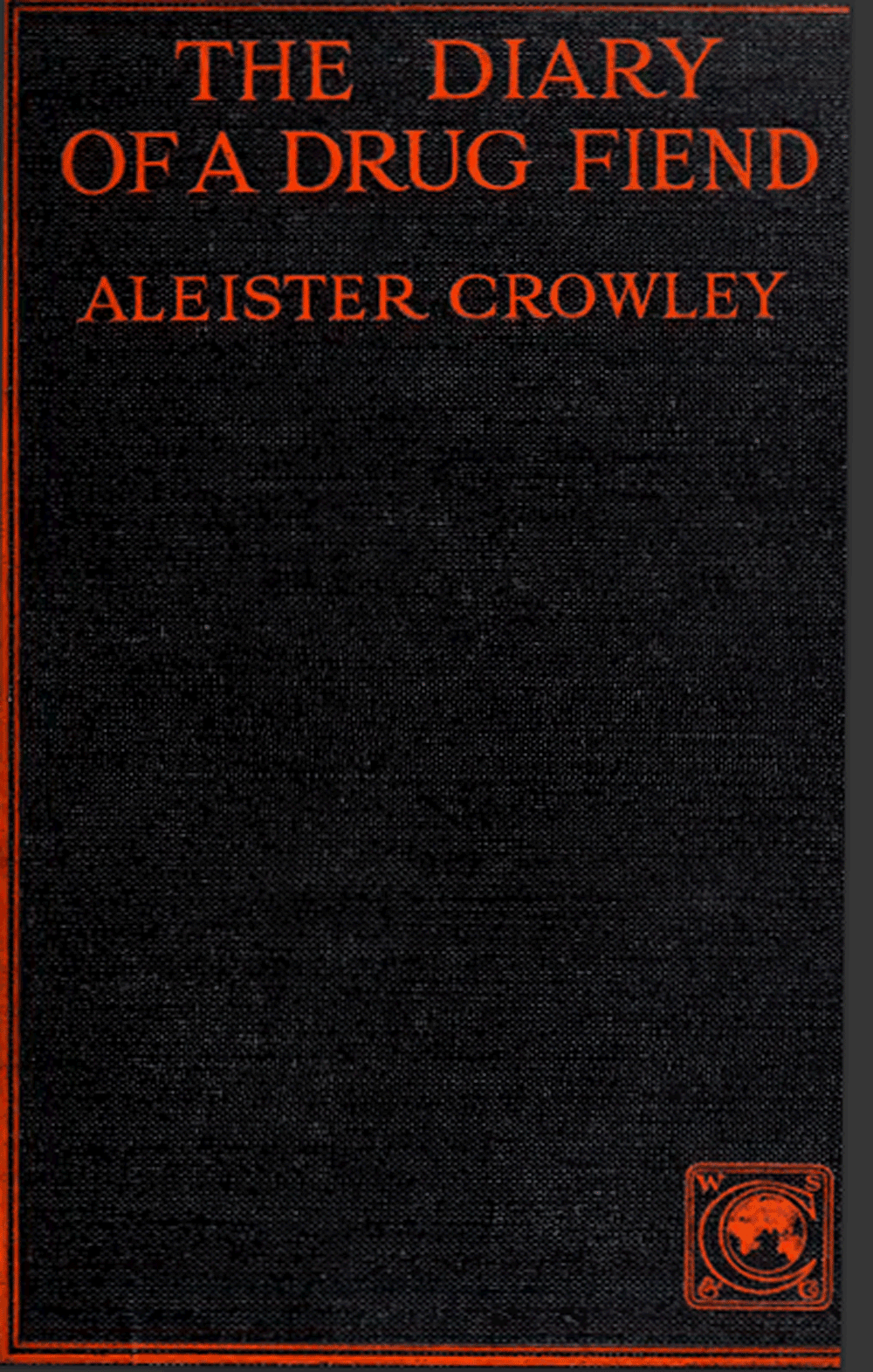
 I have been consoling myself lately over my online invisibility by thinking of my essays as so many manuscripts in a bottle, so many instalments in a diary written initially for myself, but with the hope that it might someday inspire others. This perspective not only helps me to cope with my online ostracization, but it helps me to live like a saint as well, insofar as the transcendent viewpoint has historically counseled human beings to speak truth without expectation of either gain or praise, but rather merely because it was the truth. Of course, I have never fully lived up to that lofty goal. I often get the feeling of "why bother" when I see zero statistical progress in my attempts at online proselytization. I have to keep reminding myself that I am writing a sort of diary and that I can only have faith that it will someday make a difference to somebody but myself. "Yeah, that's it," I tell myself, mentally mimicking the whining voice of Rico, the petty hoodlum played by Edgar G. Robinson in his 1931 breakthrough hit called Little Caesar. "It's a diary, see? Yeeeeah."
There is something wrong with a country that thinks it can decide what human beings around the world are allowed to ingest.
Opium is a godsend, as folks like Galen, Avicenna and Paracelsus knew. The drug war has facilitated a nightmare by outlawing peaceable use at home and making safe use almost impossible.
We should place prohibitionists on trial for destroying inner cities.
I can't believe that no one at UVA is bothered by the DEA's 1987 raid on Monticello. It was, after all, a sort of coup against the Natural Law upon which Jefferson had founded America, asserting as it did the government's right to outlaw Mother Nature.
The Petpedia website says that "German Shepherds need to have challenging jobs such as searching for drugs." How about searching for prohibitionists instead?
Scientists are making entire livings from trying to figure out what's best for ME as a chronic depressive. They owe their jobs to drug prohibition.
The Hindu religion was created thanks to the use of a drug that inspired and elated. It is therefore a crime against religious liberty to outlaw substances that inspire and elate.
"Now, now, Sherlock, that coca preparation is not helping you a jot. Why can't you get 'high on sunshine,' like good old Watson here?" To which Sherlock replies: "But my good fellow, then I would no longer BE Sherlock Holmes."
I passed a sign that says "Trust Trump." What does that mean? Trust him to crack down on his opposition using the U.S. Army? Or trust him not to do all the anti-American things that he's saying he's going to do.
"Dope Sick"? "Prohibition Sick" is more like it. The very term "dope" connotes imperialism, racism and xenophobia, given that all tribal cultures have used "drugs" for various purposes. "Dope? Junk?" It's hard to imagine a more intolerant, dismissive and judgmental terminology.
I have been consoling myself lately over my online invisibility by thinking of my essays as so many manuscripts in a bottle, so many instalments in a diary written initially for myself, but with the hope that it might someday inspire others. This perspective not only helps me to cope with my online ostracization, but it helps me to live like a saint as well, insofar as the transcendent viewpoint has historically counseled human beings to speak truth without expectation of either gain or praise, but rather merely because it was the truth. Of course, I have never fully lived up to that lofty goal. I often get the feeling of "why bother" when I see zero statistical progress in my attempts at online proselytization. I have to keep reminding myself that I am writing a sort of diary and that I can only have faith that it will someday make a difference to somebody but myself. "Yeah, that's it," I tell myself, mentally mimicking the whining voice of Rico, the petty hoodlum played by Edgar G. Robinson in his 1931 breakthrough hit called Little Caesar. "It's a diary, see? Yeeeeah."
There is something wrong with a country that thinks it can decide what human beings around the world are allowed to ingest.
Opium is a godsend, as folks like Galen, Avicenna and Paracelsus knew. The drug war has facilitated a nightmare by outlawing peaceable use at home and making safe use almost impossible.
We should place prohibitionists on trial for destroying inner cities.
I can't believe that no one at UVA is bothered by the DEA's 1987 raid on Monticello. It was, after all, a sort of coup against the Natural Law upon which Jefferson had founded America, asserting as it did the government's right to outlaw Mother Nature.
The Petpedia website says that "German Shepherds need to have challenging jobs such as searching for drugs." How about searching for prohibitionists instead?
Scientists are making entire livings from trying to figure out what's best for ME as a chronic depressive. They owe their jobs to drug prohibition.
The Hindu religion was created thanks to the use of a drug that inspired and elated. It is therefore a crime against religious liberty to outlaw substances that inspire and elate.
"Now, now, Sherlock, that coca preparation is not helping you a jot. Why can't you get 'high on sunshine,' like good old Watson here?" To which Sherlock replies: "But my good fellow, then I would no longer BE Sherlock Holmes."
I passed a sign that says "Trust Trump." What does that mean? Trust him to crack down on his opposition using the U.S. Army? Or trust him not to do all the anti-American things that he's saying he's going to do.
"Dope Sick"? "Prohibition Sick" is more like it. The very term "dope" connotes imperialism, racism and xenophobia, given that all tribal cultures have used "drugs" for various purposes. "Dope? Junk?" It's hard to imagine a more intolerant, dismissive and judgmental terminology.


 (up)
(up)