








"The [prohibitionist] argument is based on health ; and it is said that the Government must safeguard the health of the community. And the moment that is said, there ceases to be the shadow of a difference between beer and tea."2
1) that there are no upsides to drug use, and 2) that there are no downsides to drug prohibition.
"I experienced the desire to laugh hysterically at what I could only describe as the completely ridiculous state of the entire world."
"I feel that it is one of the most profound and deep learning experiences I have had."
"I feel that I can learn faster. This is a 'smart' pill!"
"I acknowledged a rapture in the very act of breathing."13
"In the meantime the morphine had its customary effect- that of enduing all the external world with an intensity of interest. In the quivering of a leaf- in the hue of a blade of grass- in the shape of a trefoil- in the humming of a bee- in the gleaming of a dew-drop- in the breathing of the wind- in the faint odors that came from the forest- there came a whole universe of suggestion- a gay and motley train of rhapsodical and immethodical thought."15


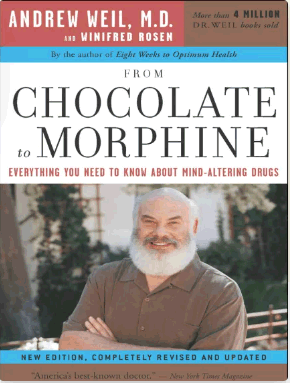
"In the meantime the morphine 24 had its customary effect- that of enduing all the external world with an intensity of interest. In the quivering of a leaf- in the hue of a blade of grass- in the shape of a trefoil- in the humming of a bee- in the gleaming of a dew-drop- in the breathing of the wind- in the faint odors that came from the forest- there came a whole universe of suggestion- a gay and motley train of rhapsodical and immethodical thought.25"
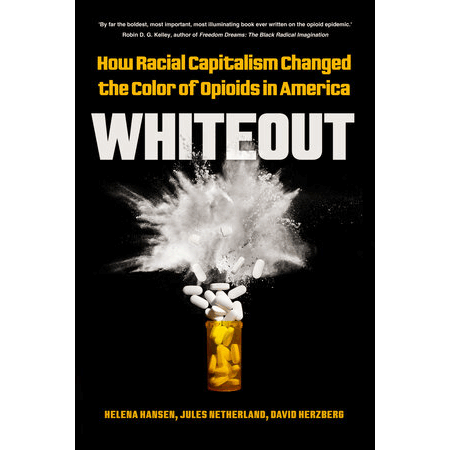
"If drug use is really bad, then it is absurd to consider drug users to be helpless shills without moral self-agency while yet considering dealers to be morally challenged monsters. This is not to say that we should blame drug users, merely to do them the credit of thinking of them as real human beings that make real choices. Rather than trying to whitewash their decisions by blaming everything on "dealers," we should be recognizing the "meta" problem, the overarching problem, which is that drug prohibition started this whole ball of counterproductive outcomes rolling in the first place. It was drug prohibition that put users in harm's way and incentivized dealers to meet a marketplace demand. It is the drug policy that we should be detesting, not those who have been purposefully set up to fail thanks to that policy."32
 You can get a Ph.D. in healthcare, and not learn a thing about the glaringly obvious benefits of drugs, as demonstrated by history, anecdote and common sense.
I've been told by many that I should have seen "my doctor" before withdrawing from Effexor. But, A) My doctor got me hooked on the junk in the first place, and, B) That doctor completely ignores the OBVIOUS benefits of indigenous meds and focuses only on theoretical downsides.
If I have no right to mother nature's bounty, then I surely have no right to manmade guns. If hysterical fearmongering justifies the eradication of the Fourth Amendment, then the Second Amendment should go as well.
Someone needs to create a group called Drug Warriors Anonymous, a place where Americans can go to discuss their right to mind and mood medicine and to discuss the many ways in which our society trashes godsend medicines.
Even fans of sacred medicine have been brainwashed to believe that we do not know if such drugs "really" work: they want microscopic proof. But that's a western bias, used strategically by drug warriors to make the psychotropic drug approval process as glacial as possible.
The Drug War shows us that American democracy is fundamentally flawed. Propaganda and fearmongering has persuaded Americans to give up freedoms that are clearly enunciated in the U.S. Constitution. We need a new democracy in which a Constitution actually matters.
Someday those books about weird state laws will be full of factoids like: "In Alabama, you could be jailed for 20 years for conspiring to eat a mushroom."
When scientists discuss suicide without mentioning the fact that their government has outlawed drugs, it is like scientists discussing deaths from bacterial infection without mentioning the fact that their government has outlawed antibiotics.
America arrests people whose only crime is that they are trying to be all that they can be in life... in such a way that psychiatrists are not getting THEIR cut.
And we should not insist it's a problem if someone decides to use opium, for instance, daily. We certainly don't blame "patients" for using antidepressants daily. And getting off opium is easier than getting off many antidepressants -- see Julia Holland.
You can get a Ph.D. in healthcare, and not learn a thing about the glaringly obvious benefits of drugs, as demonstrated by history, anecdote and common sense.
I've been told by many that I should have seen "my doctor" before withdrawing from Effexor. But, A) My doctor got me hooked on the junk in the first place, and, B) That doctor completely ignores the OBVIOUS benefits of indigenous meds and focuses only on theoretical downsides.
If I have no right to mother nature's bounty, then I surely have no right to manmade guns. If hysterical fearmongering justifies the eradication of the Fourth Amendment, then the Second Amendment should go as well.
Someone needs to create a group called Drug Warriors Anonymous, a place where Americans can go to discuss their right to mind and mood medicine and to discuss the many ways in which our society trashes godsend medicines.
Even fans of sacred medicine have been brainwashed to believe that we do not know if such drugs "really" work: they want microscopic proof. But that's a western bias, used strategically by drug warriors to make the psychotropic drug approval process as glacial as possible.
The Drug War shows us that American democracy is fundamentally flawed. Propaganda and fearmongering has persuaded Americans to give up freedoms that are clearly enunciated in the U.S. Constitution. We need a new democracy in which a Constitution actually matters.
Someday those books about weird state laws will be full of factoids like: "In Alabama, you could be jailed for 20 years for conspiring to eat a mushroom."
When scientists discuss suicide without mentioning the fact that their government has outlawed drugs, it is like scientists discussing deaths from bacterial infection without mentioning the fact that their government has outlawed antibiotics.
America arrests people whose only crime is that they are trying to be all that they can be in life... in such a way that psychiatrists are not getting THEIR cut.
And we should not insist it's a problem if someone decides to use opium, for instance, daily. We certainly don't blame "patients" for using antidepressants daily. And getting off opium is easier than getting off many antidepressants -- see Julia Holland.

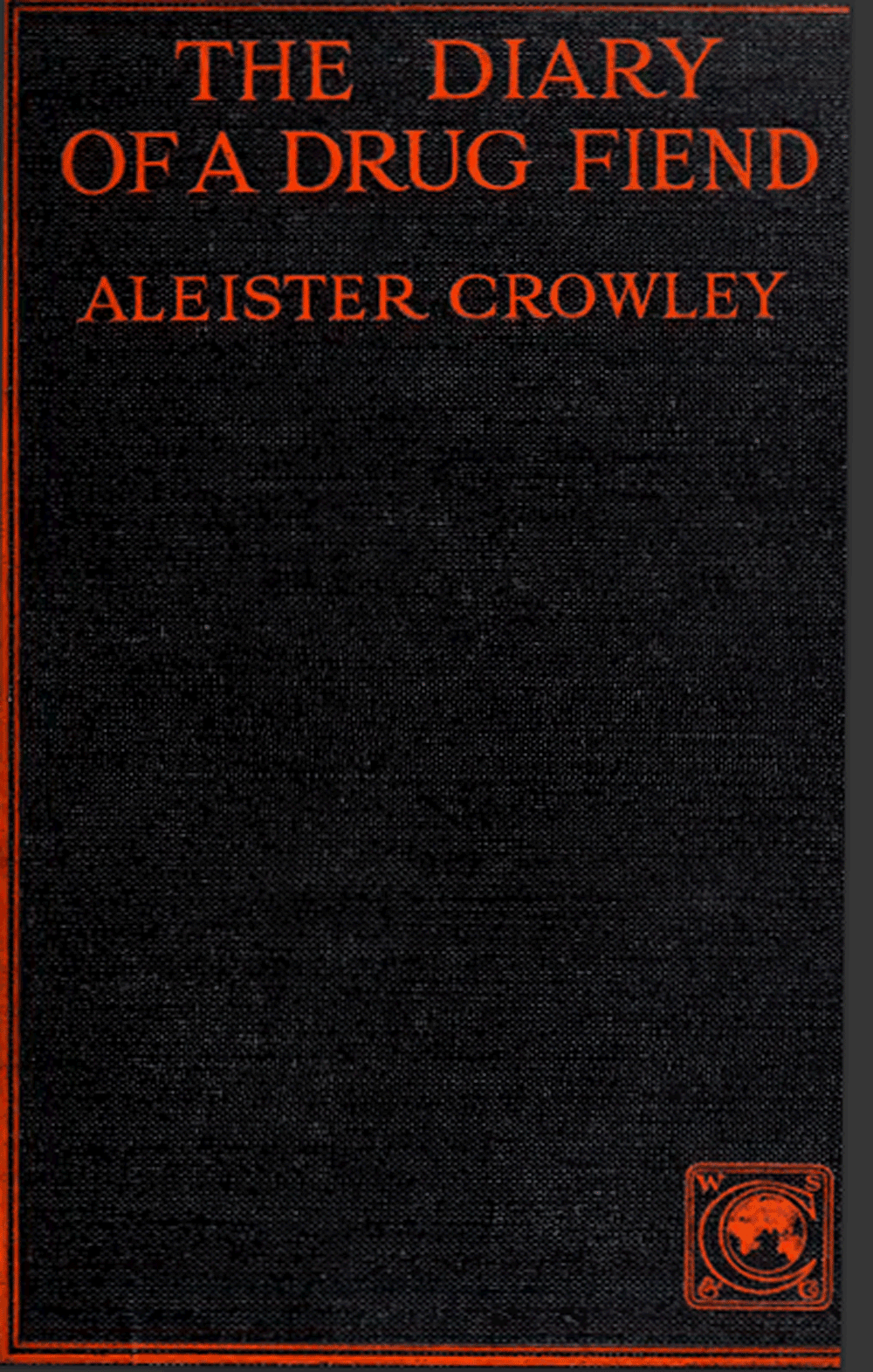

 (up)
(up)