







 Drug War censorship is supported by our "science" magazines, which pretend that outlawed drugs do not exist, and so write what amount to lies about the supposed intransigence of things like depression and anxiety.
Conservatives say they're against Big Government -- but they let bureaucrats decide what medicines they can use.
The DEA should be tried for crimes against humanity. They have been lying about drugs for 50 years and running interference between human beings and Mother Nature in violation of natural law, depriving us of countless potential and known godsends in order to create more DEA jobs.
I will gladly respect the police once we remove them from Gestapo duty by ending the war on drugs. Police should also learn to live on a budget, without deriving income from confiscating houses and dormitories, etc.
We should start taking names. All politicians and government officials who work to keep godsends like psilocybin from the public should be held to account for crimes against humanity when the drug war finally ends.
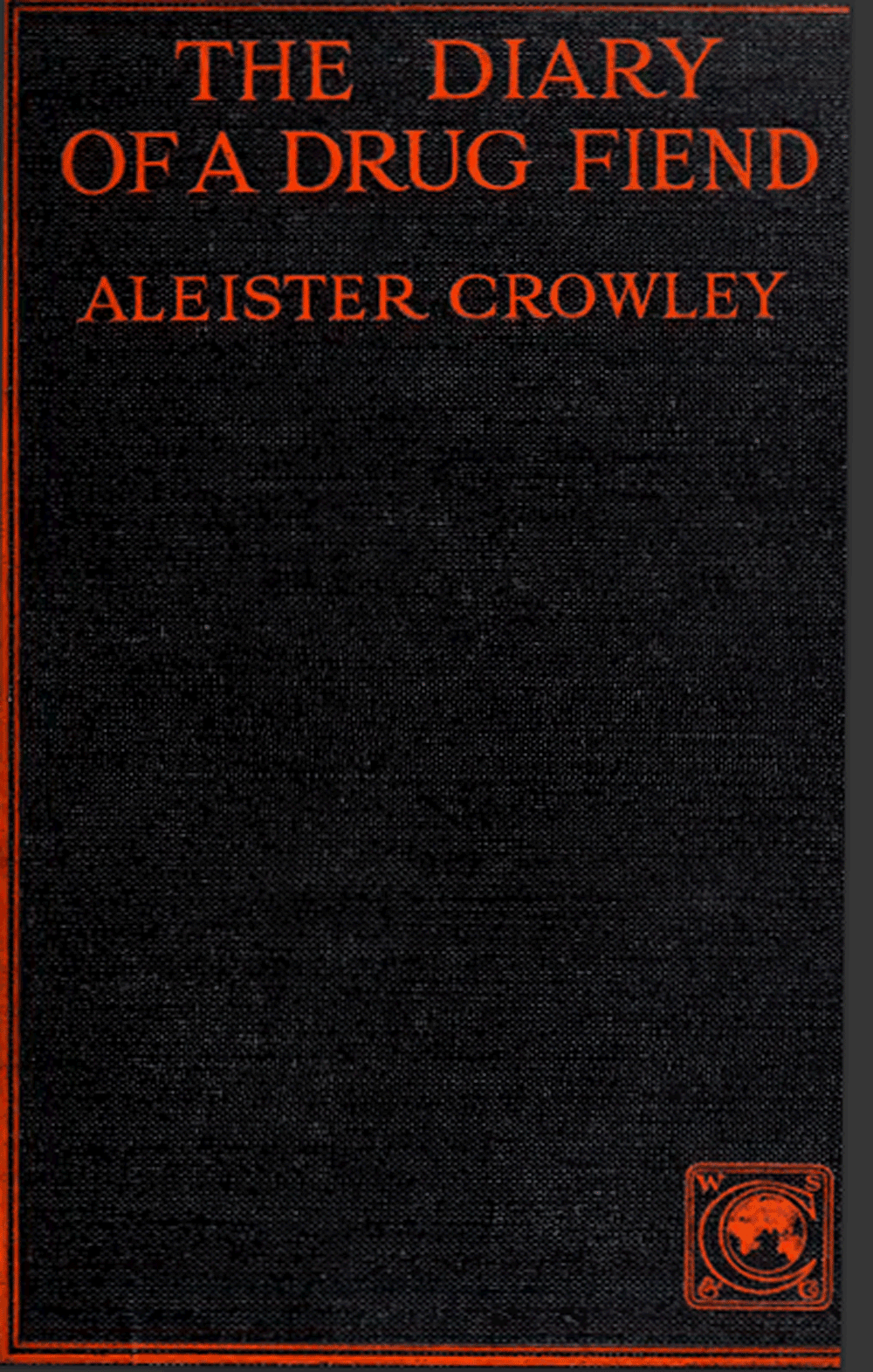
"The depression lifted from my mind like the sun coming out of the clouds." -- Arthur Crowley after using cocaine
Prohibitionists have blood on their hands. People do not naturally die in the tens of thousands from opioid use, notwithstanding the lies of 19th-century missionaries in China. It takes bad drug policy to accomplish that.
The Drug War is the ultimate example of strategic fearmongering by self-interested politicians.
"The homicidal drug is booze. There's more violence on a Saturday night in a neighborhood tavern than there has been in the whole 20-year history of LSD." -- Timothy Leary
Psychiatrists keep flipping the script. When it became clear that SSRIs caused dependence, instead of apologizing, they told us we need to keep taking our meds. Now they even claim that criticizing SSRIs is wrong. This is anti-intellectual madness.
Drug War censorship is supported by our "science" magazines, which pretend that outlawed drugs do not exist, and so write what amount to lies about the supposed intransigence of things like depression and anxiety.
Conservatives say they're against Big Government -- but they let bureaucrats decide what medicines they can use.
The DEA should be tried for crimes against humanity. They have been lying about drugs for 50 years and running interference between human beings and Mother Nature in violation of natural law, depriving us of countless potential and known godsends in order to create more DEA jobs.
I will gladly respect the police once we remove them from Gestapo duty by ending the war on drugs. Police should also learn to live on a budget, without deriving income from confiscating houses and dormitories, etc.
We should start taking names. All politicians and government officials who work to keep godsends like psilocybin from the public should be held to account for crimes against humanity when the drug war finally ends.
"The depression lifted from my mind like the sun coming out of the clouds." -- Arthur Crowley after using cocaine
Prohibitionists have blood on their hands. People do not naturally die in the tens of thousands from opioid use, notwithstanding the lies of 19th-century missionaries in China. It takes bad drug policy to accomplish that.
The Drug War is the ultimate example of strategic fearmongering by self-interested politicians.
"The homicidal drug is booze. There's more violence on a Saturday night in a neighborhood tavern than there has been in the whole 20-year history of LSD." -- Timothy Leary
Psychiatrists keep flipping the script. When it became clear that SSRIs caused dependence, instead of apologizing, they told us we need to keep taking our meds. Now they even claim that criticizing SSRIs is wrong. This is anti-intellectual madness.


 (up)
(up)